
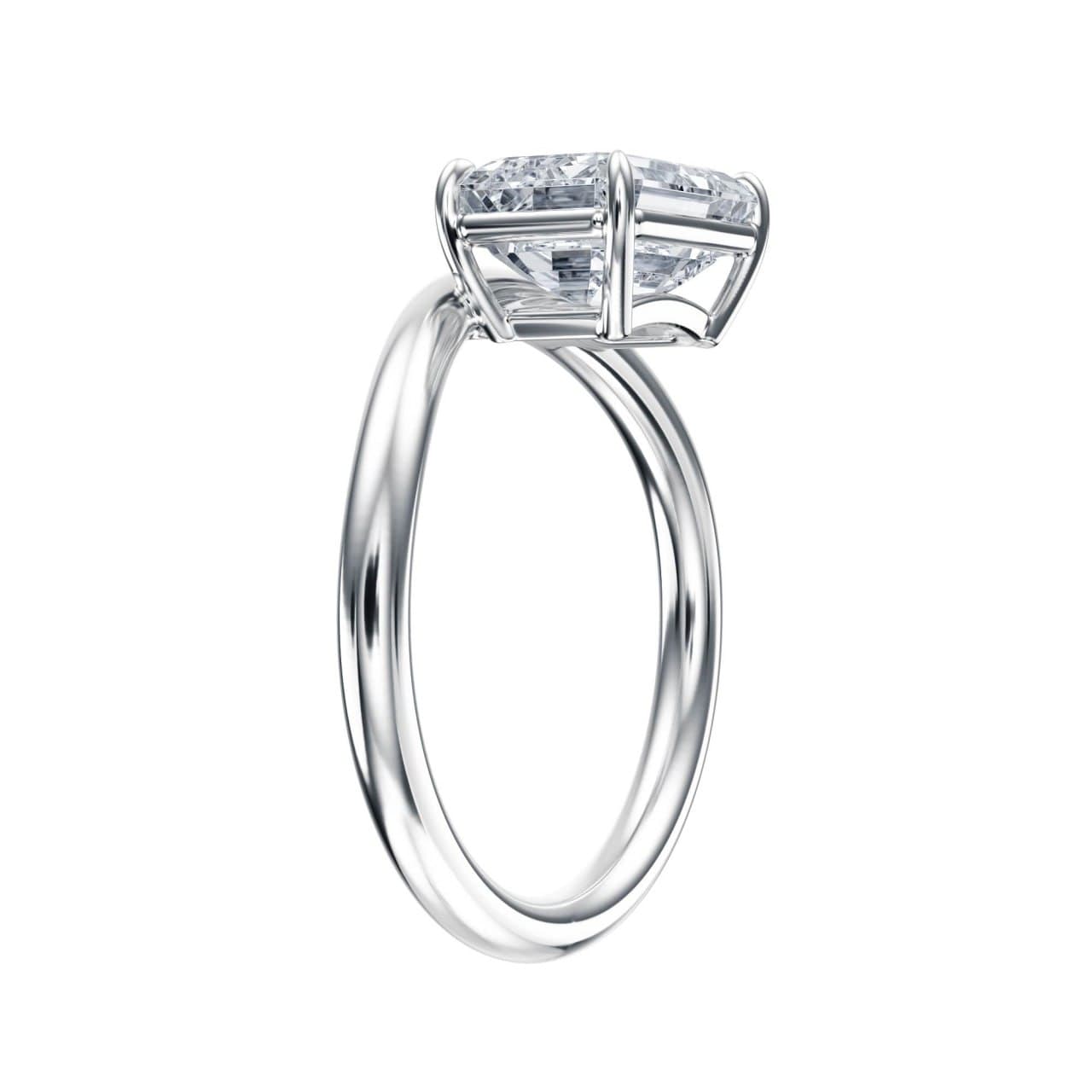
Choose rendering when the piece is not made yet, or when you need many metals, views and animations that all look alike. Choose photography when the piece already exists and you need to show it exactly as it is. At 4rend Studio, the E-com Starter Pack is $90 per piece and takes 2–4 business days, but it starts from a finished 3D model. Below is how the two compare, including the cases where photography is the better answer.
How do jewelry rendering and photography compare?
Both produce a product image. They differ in what you need before you start and in what you can change afterward. The table uses the prices and turnaround published on our pricing page for rendering. For photography, costs vary by studio and city, so the table describes how photographers typically charge instead of quoting a number.
| 3D rendering | Studio photography | |
|---|---|---|
| Cost | 4rend: Starter Pack $90 per piece, Professional Pack $150 per piece, bulk collections quoted | Typically priced per image or per day, plus shipping and insurance for the samples |
| Turnaround | 4rend: 2–4 business days (Starter), 3–5 (Professional), 5–10 for bulk collections | Typically depends on the photographer's schedule, plus shipping time each way |
| What you need to start | A finished 3D model of the piece. If you do not have one, it has to be built first and is priced separately | The physical piece, finished and polished |
| Consistency across metals and variants | Same model, same lighting, any metal or stone color | Each variant has to exist and be shot, and lighting drifts between sessions |
| When it fails | Weak without a good model; cannot show wear, flaws or true scale on a hand | Weak when the piece does not exist yet, or when you need many variants fast |
How much does each one cost?
For rendering, the published prices at 4rend are the E-com Starter Pack at $90 per piece (3 color variations, 3 product views and 3 360° animations) and the Professional Pack at $150 per piece (4–5 views, lifestyle backgrounds and a custom animation). Collections of 10 or more images are quoted. Rendering is priced separately from 3D modeling. The full list is on the pricing page.
For photography, we do not quote a figure because it depends on the photographer, the number of images and the finish. What changes the total is usually the same few items: how many images you need, how many variants of each piece, whether the samples have to be shipped and insured, and how many reshoots a collection needs over time.
That last item is where the two models differ. A photograph is paid for once and covers one piece in one metal. A 3D model is paid for once and can be re-rendered later in a new metal, background or format, with each new set priced under the rendering packs.
How long does each one take?
Rendering at 4rend takes 2–4 business days for the Starter Pack, 3–5 for the Professional Pack and 5–10 for bulk collections. We confirm the exact date in the quote. That clock starts when the model is ready, so if the piece still has to be modeled, add that time first.
Photography turnaround typically depends on three things: how soon the piece is finished, when the photographer has a slot, and how long editing takes. For one piece that is already in hand, a good photographer can be fast. For a collection that is still being cast and polished, the shoot waits for the slowest piece.
Which one stays consistent across metals and variants?
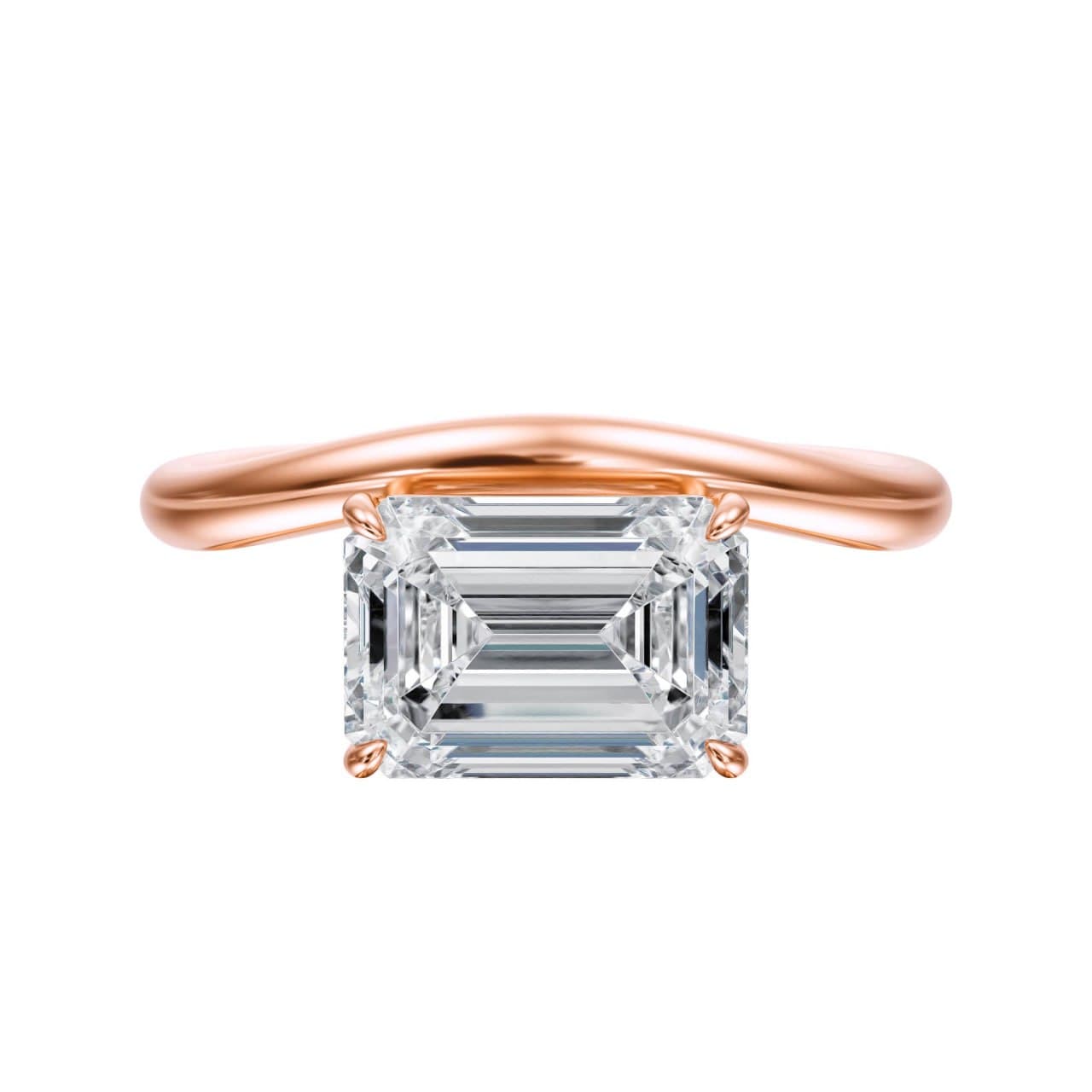
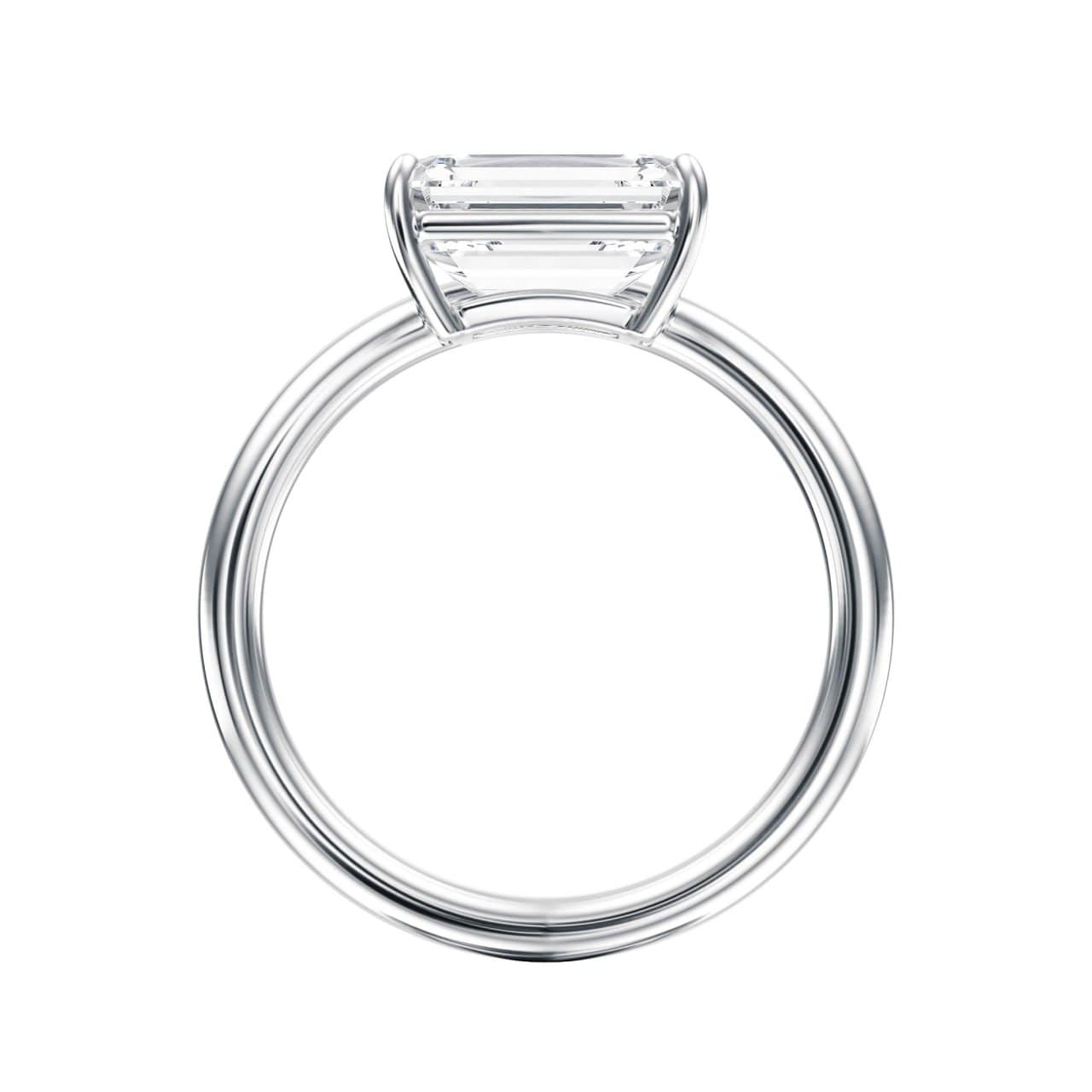
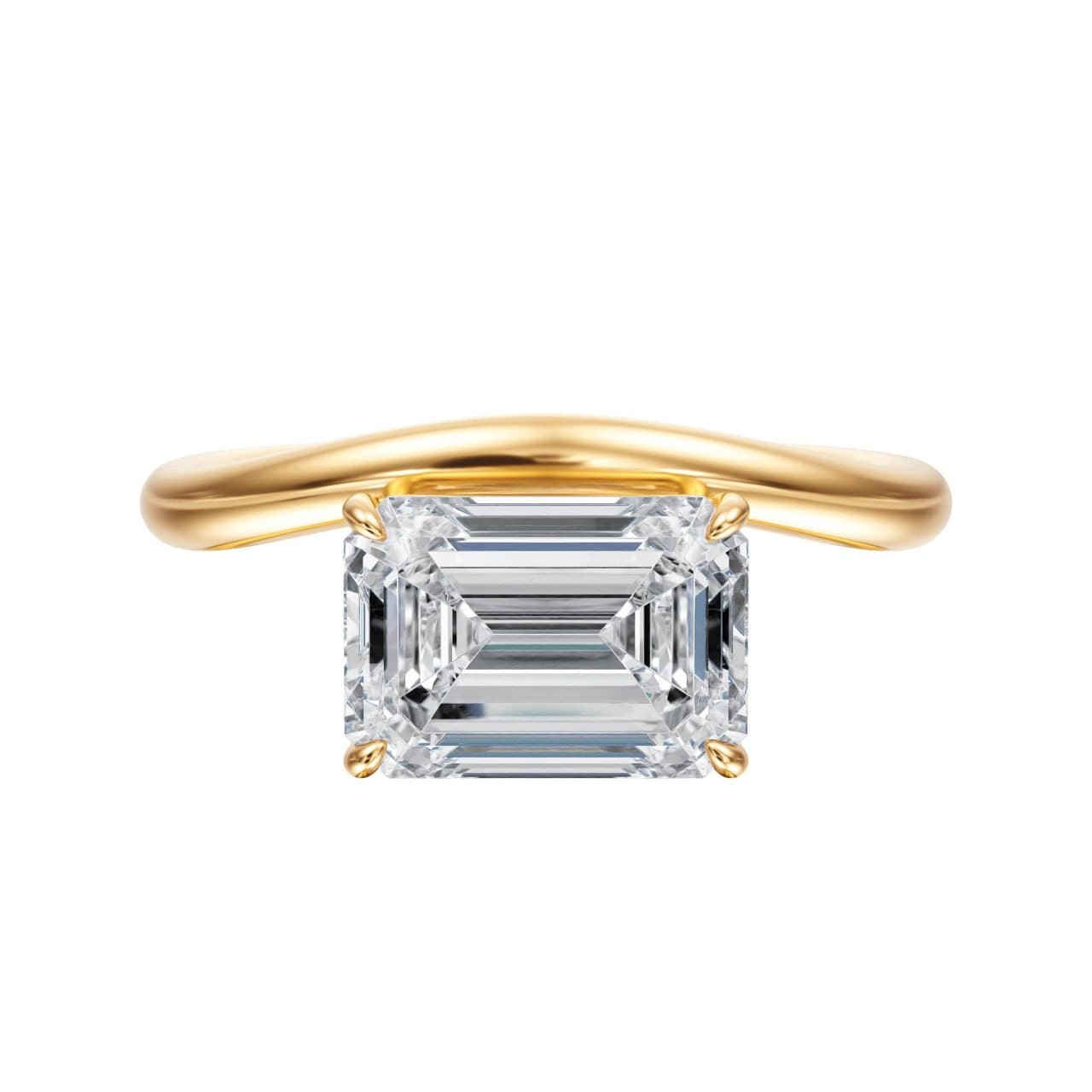
This is where rendering is strongest. When a ring is offered in white, rose and yellow gold, a photo shoot needs three real rings, and small differences in lighting or camera position show up when the images sit side by side on a product page. A render uses one model and one lighting setup, so only the metal changes.
When is photography the better choice?
Photography is the better choice in several real situations.
- The piece is a one-off, antique, pre-owned or repaired, and the buyer needs to see its actual condition.
- You have one or two finished pieces and no 3D model. Building a model just to render them may cost more than a photo session.
- You want a piece worn on a hand, neck or ear, to show real scale, skin and movement.
- A gemstone is the product and its individual character matters, such as inclusions, color zoning or an unusual cut.
- A buyer expects proof of the physical item, for example on a resale or auction listing.
When does rendering win?
Rendering wins when the piece is not made yet, when the same design comes in many metals or stone colors, and when you need the images to match across a whole catalog. It also wins when you want motion: a 360° turntable comes from the same model as the stills, so there is no separate video shoot. You can see how animation works on its own page.
It also helps when you want to test a design before spending on a sample. You can show a piece on a product page and manufacture only what sells. The rendering page covers packs, formats and what we need from you.
Can you use both?
Yes. A common split is rendering for the main catalog images and photography for worn shots, one-offs and anything that needs to look hand-held.
If you already have photographs of finished pieces that are close but not clean, a third route is jewelry photo retouching. It cleans backgrounds, shadows, metal color, dust and scratches on photos you already have. It does not add detail that was never captured, and it is quoted per batch after we see your photos.
Which should you choose? A decision checklist
Go through each line and count which side you land on more often.
- Choose rendering if the piece is not made yet, or you want to sell it before you manufacture it.
- Choose rendering if the design comes in several metals or stone colors and the images must match.
- Choose rendering if you need a 360° animation or short clips as well as stills.
- Choose rendering if you already have a 3D model, or you will reuse the model for several seasons.
- Choose photography if the piece exists, is a one-off, and its real condition is part of the sale.
- Choose photography if you need a worn shot for scale or lifestyle and have no model.
- Choose photography if you have a handful of finished pieces and no plan to restyle them.
- Choose retouching if the photos are decent but need clean-up before they go live.
How do you get a rendering quote?
Send the 3D model if you have one, the metals and stone colors you want, and the platforms the images are for. We quote from the published packs. Projects start with a 50% deposit, with the rest on delivery. See the pricing page for the packs, or contact us with your brief.
Key takeaways
- Rendering fits pieces that are not made yet, many variants, matching catalogs and animation.
- Photography fits finished one-offs, worn shots, and items where real condition is the point.
- 4rend rendering: Starter Pack $90 per piece in 2–4 business days, Professional Pack $150 in 3–5, bulk collections quoted.
- Rendering needs a 3D model first; modeling is priced separately.
Frequently asked questions
Is jewelry rendering cheaper than photography?
It depends on how many pieces and variants you have. For one finished piece in one metal, a photo session is often simpler and may cost less. For a design in several metals, with several views and an animation, one model can cover all of it. 4rend packs are $90 (Starter) and $150 (Professional) per piece, rendering only.
How long does jewelry rendering take?
At 4rend, the Starter Pack takes 2–4 business days, the Professional Pack 3–5 and bulk collections 5–10, once the 3D model is ready. We confirm the exact delivery date in the quote.
Can a render replace jewelry photography?
For catalog and product-page images of a design, often yes. It cannot replace photography when you need to show real wear, real scale on a hand, or the actual condition of a one-off or pre-owned piece.
What do I need to start a jewelry rendering project?
A finished 3D model of the piece, the metals and stone colors you want, and the views and platforms the images are for. If you only have a sketch or photos, the model has to be built first and is priced separately.
Can the same model show different metals?
Yes. The same model can be rendered in white, rose or yellow gold, or with different stone colors, using the same lighting and angle, so the images match when placed side by side. The Starter Pack includes 3 color variations.
Can you work from my existing product photos?
Yes, through jewelry photo retouching. It cleans backgrounds, shadows, metal color, stones, dust and scratches on photos of finished pieces. It is quoted per batch after we see the photos, and it cannot add detail that the photo did not capture.
Further reading
Have a piece you need in 3D?
Fixed pricing, real-time tracking, manufacturing-ready files — delivered worldwide.
Request a quote